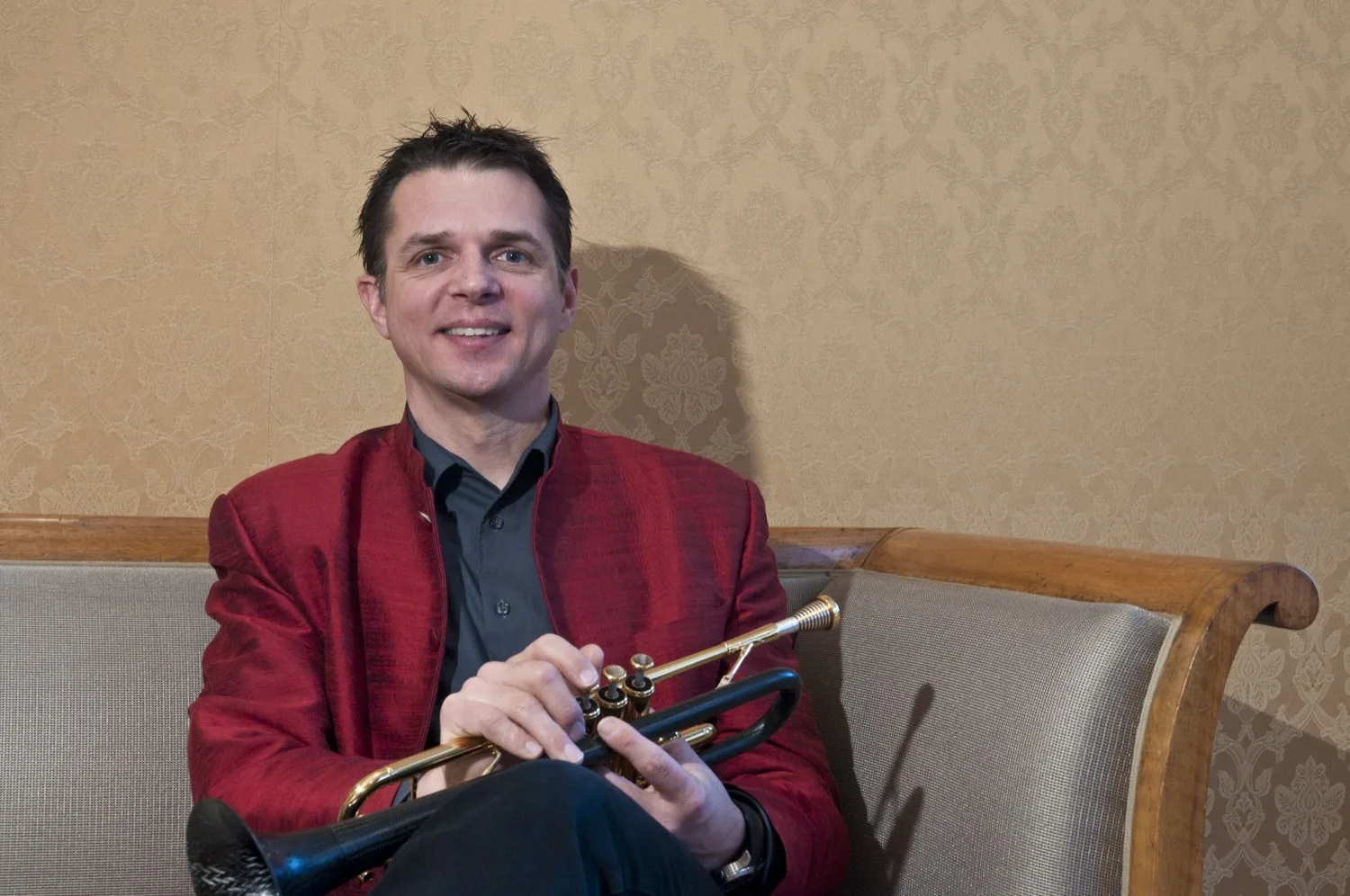
A scientist
who plays the trumpet.
daCarbo did not start in a music shop. It started in a lab that made loud machines quieter.
The idea came from his day job.
Andi Keller is a materials scientist. His job was making loud machines quieter, by stopping their parts from vibrating.
He has also played the trumpet since childhood. One day the two things connected: the walls of a trumpet vibrate too, and every bit of that vibration is energy the player blew in and nobody hears. Stop the material from vibrating, and the horn wastes less of your energy. That is the whole idea behind daCarbo.
A master builder said yes.
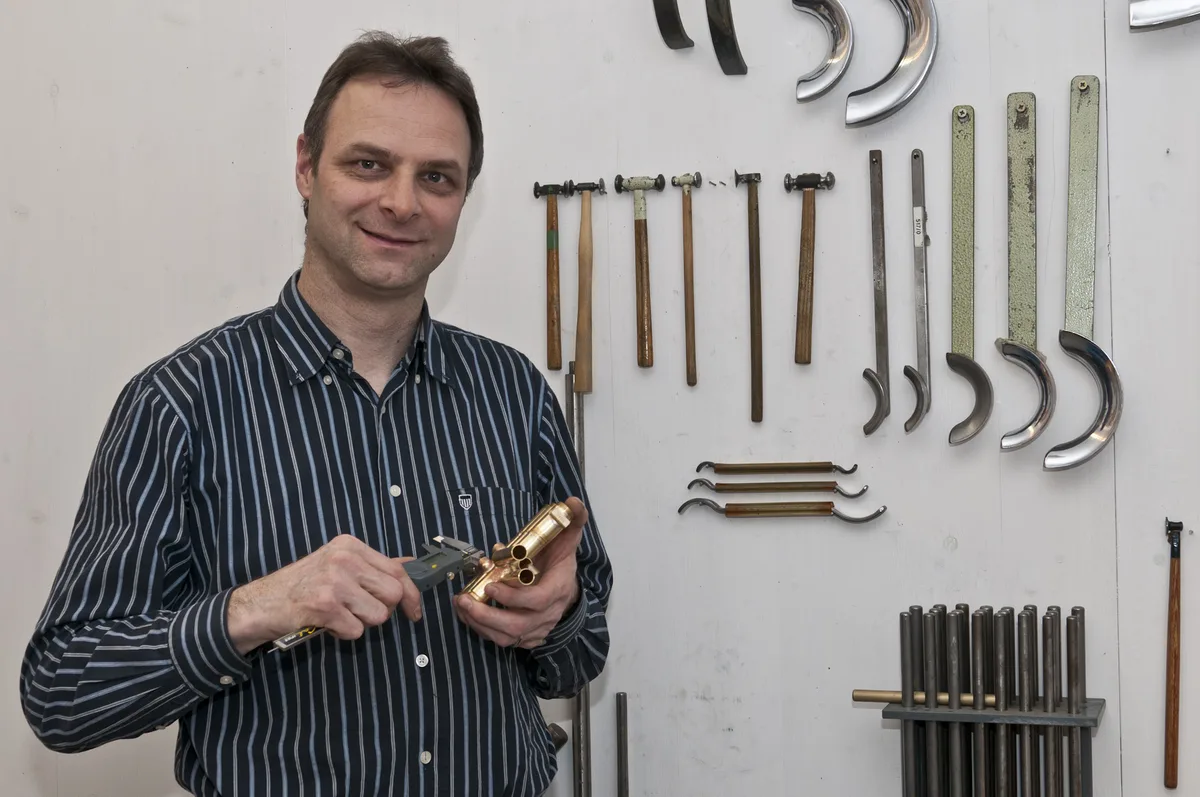
Andi could not build a trumpet alone. He spent a year pitching his idea until he met Werner Spiri, one of Switzerland's best-known instrument makers.
Ten minutes into the conversation, Spiri said yes. Two weeks later they founded the company. Andi brings the science. Werner brings forty years of knowing exactly how a trumpet has to feel. Both are needed, and that has not changed since 2009.
Tested before it was sold.
They did not start with a trumpet. They started with plain straight tubes: glass fibre, carbon fibre, brass. They measured how each one behaves. Carbon came closest to brass, which was exactly the point: it should still sound like a trumpet. Just be easier to play.
Then came prototypes, play tests with musicians, and finally the real exam: the Department of Music Acoustics at the University of Music and Performing Arts Vienna measured the finished trumpet against the same horn with a brass bell. The result, in plain words: the same sound, for about 10% less energy.
2009
building carbon instruments since
~10%
less energy for the same sound, measured in Vienna
0
broken instruments since 2009
How a carbon bell is made.
The process was developed with the University of Applied Sciences in Rapperswil and a Swiss composite manufacturer. As far as we know, nobody else in the world does it to this accuracy.
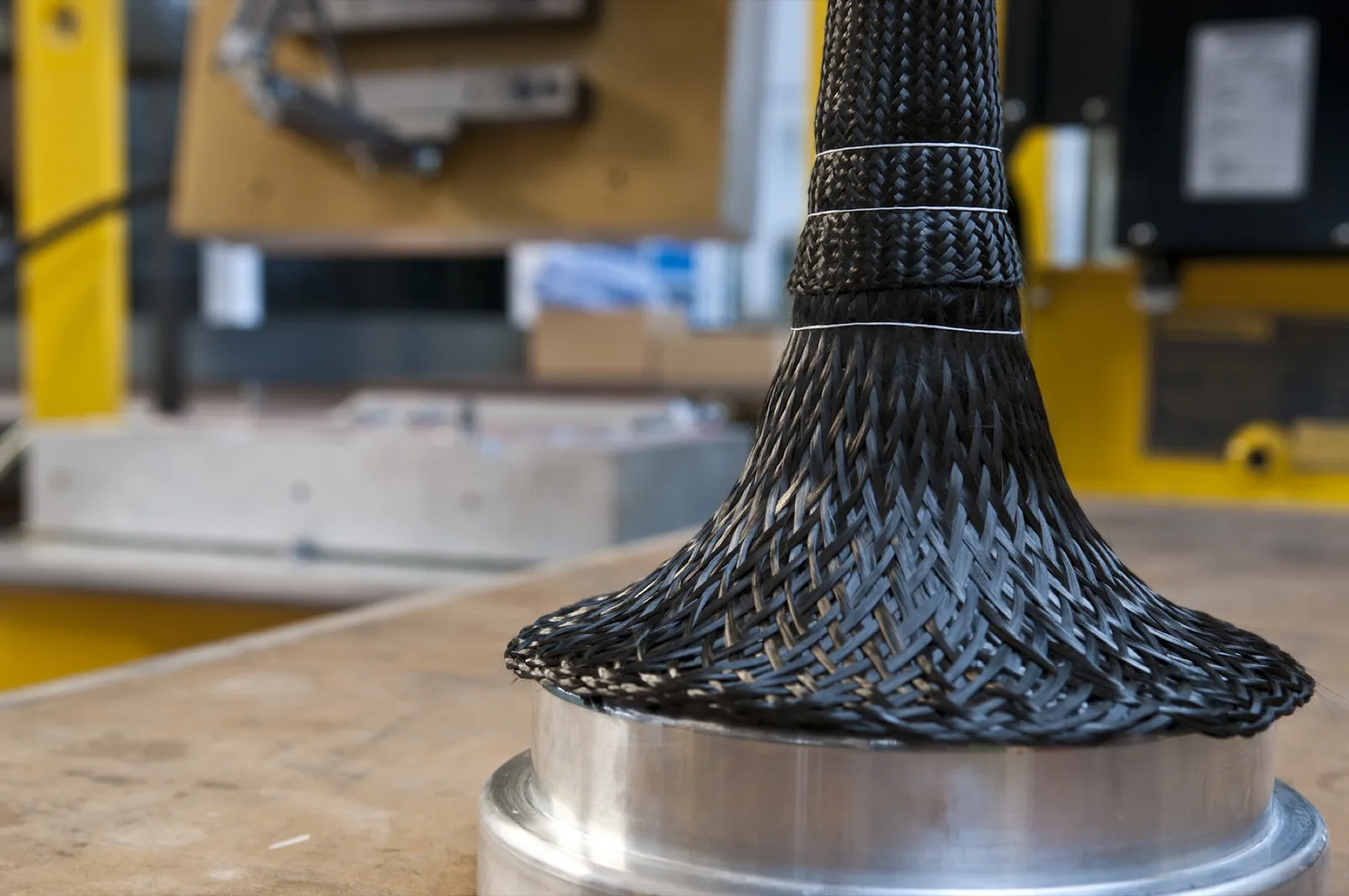
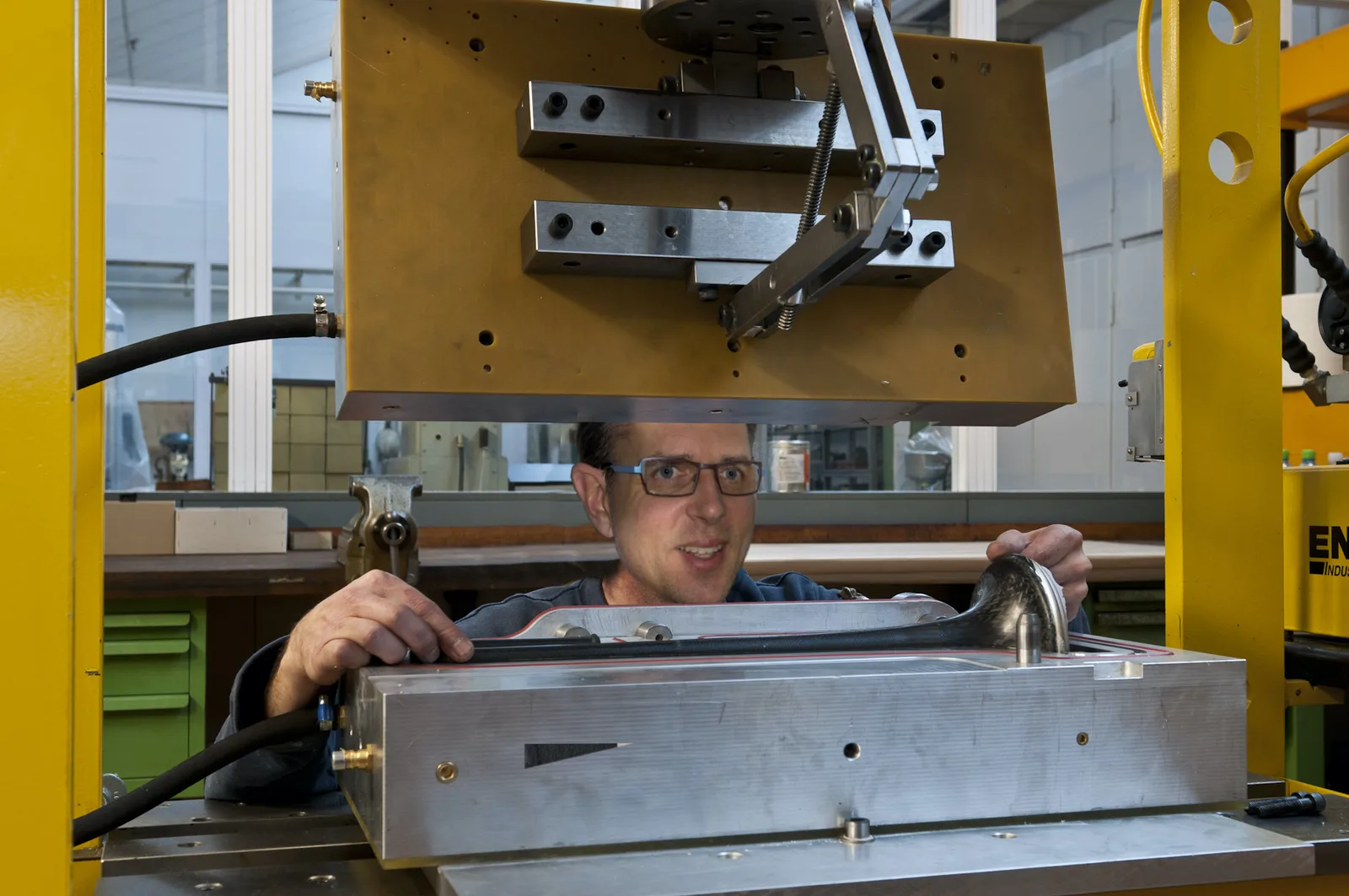
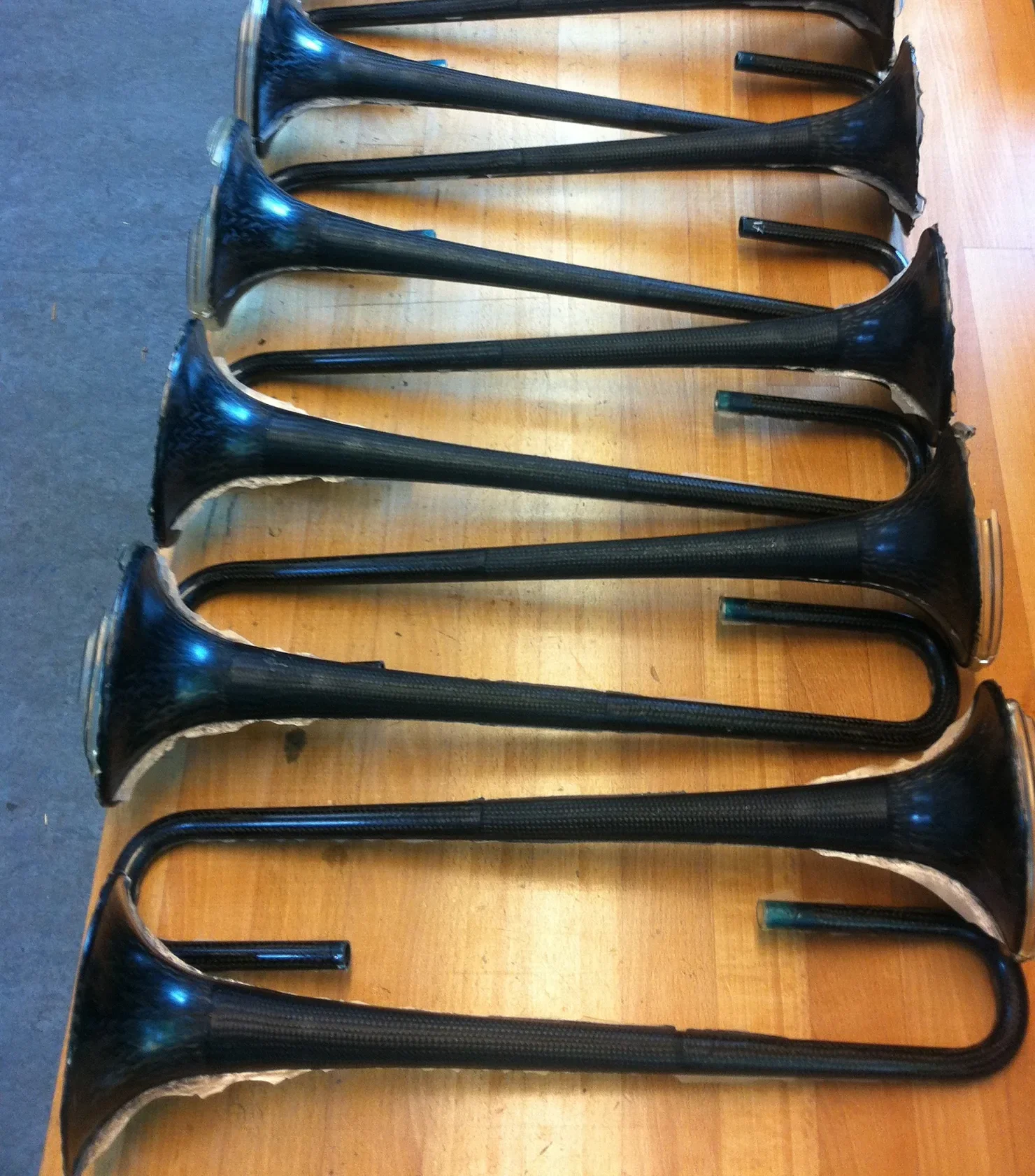
The bells are built for sound, not for low weight. That makes them about five times stronger than they need to be. They will not bend, crack or corrode. In 15 years, not one has come back broken.
Andi tells the story himself.
Eight short clips, one to two minutes each.
All of it is documented.
LUX Award 2019
Best Wind Instruments Producer, for innovation in instrument design.
Measured in Vienna
Verified by the Department of Music Acoustics, University of Music and Performing Arts Vienna.
Design patents
The constructions are patented in Europe and the USA, the two biggest markets. You cannot buy this bell from anyone else.
Trademarks
The daCarbo name is trademark-protected worldwide.
The maker takes your call himself.
His slogan: less energy for the instrument, more energy for the music. Book a call and try it for yourself.